
Location:
Rotterdam Street style & Studio shoot Short clip of Laura
Photography/Videography:
Ulysses Saniel
https://www.instagram.com/ulysses.s/
https://www.byulysses.com/
Brussels Belgium architecture CBR building by Constantin Brodzki by Ulysses Saniel #architecture
Location:
Brussels, Belgium Building:
CBR Building Architects: Lambrichs Marcel, Brodzki Constantin Shot by iPhone – Createmore. Studio:
https://www.studiocreatemore.com/
Photography:
https://www.instagram.com/ulysses.s/
https://www.byulysses.com/
Manila architecture archives by Ulysses Saniel
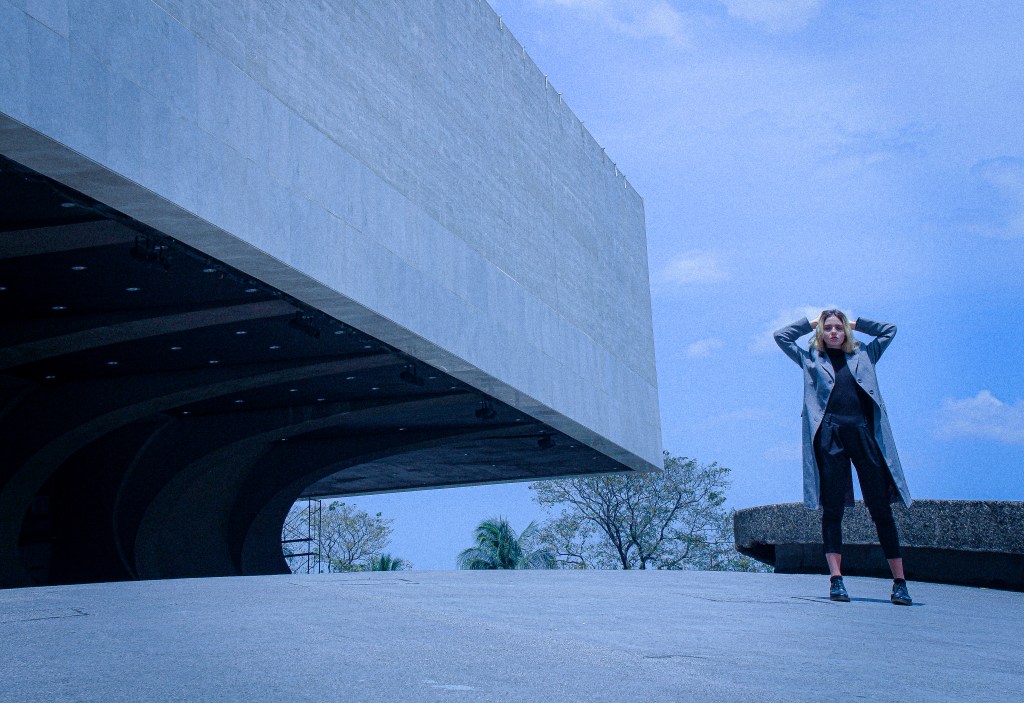
Manila, Philippines Shoot Photo Archives 2018.
Architecture by Leandro Locsin
Createmore
–
Photographer and Creative Director
Ulysses Saniel
https://www.byulysses.com/
https://www.instagram.com/ulysses.s/
–
Creative Direction
Create More
https://www.studiocreatemore.com/
Milan Studio shoot: YOUNG for Fashion Model it. by Ulysses Saniel 23
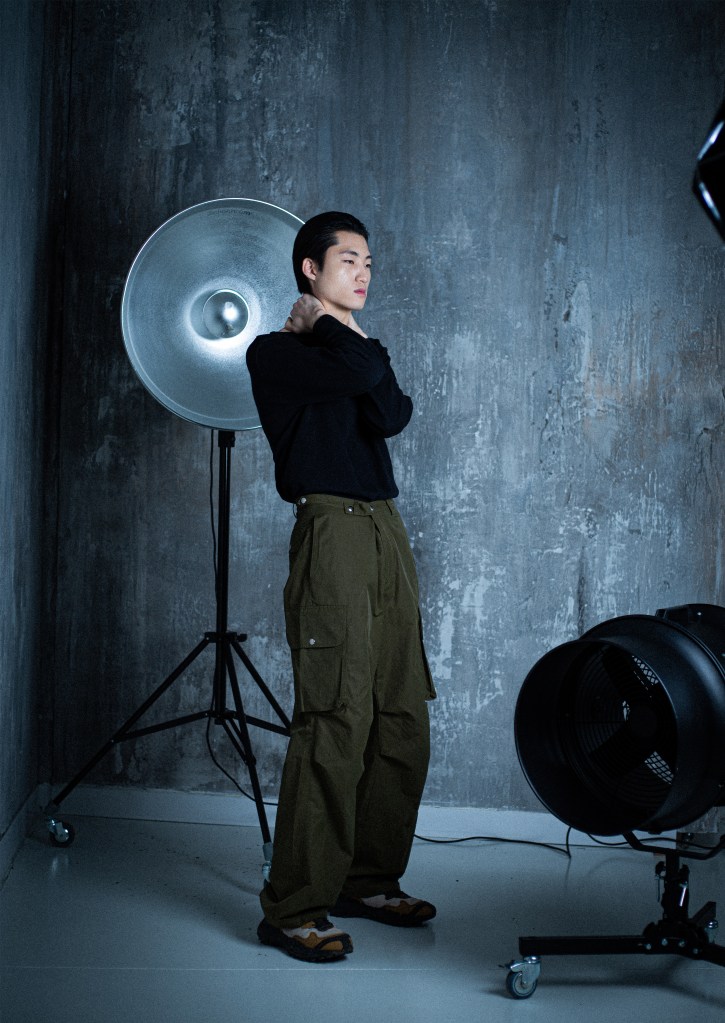
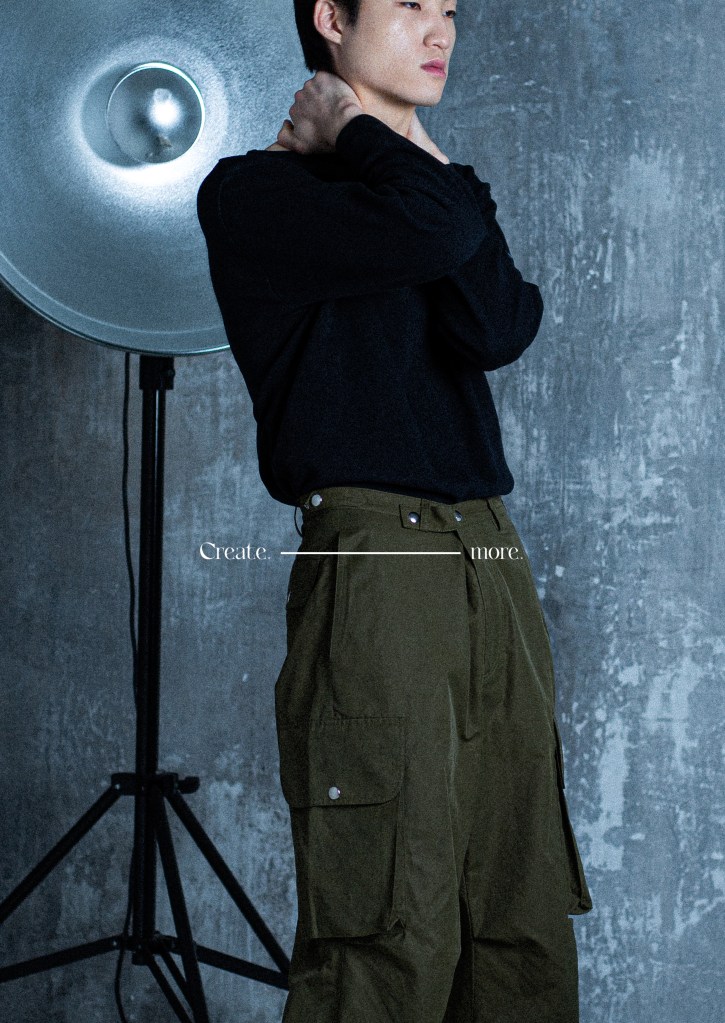
Autumn Studio Shoot. 23
YOUNG KIM for The Fashion Model Management
–
Location:
–
–
Photographer:
Archive 23 Film by Ulysses Saniel
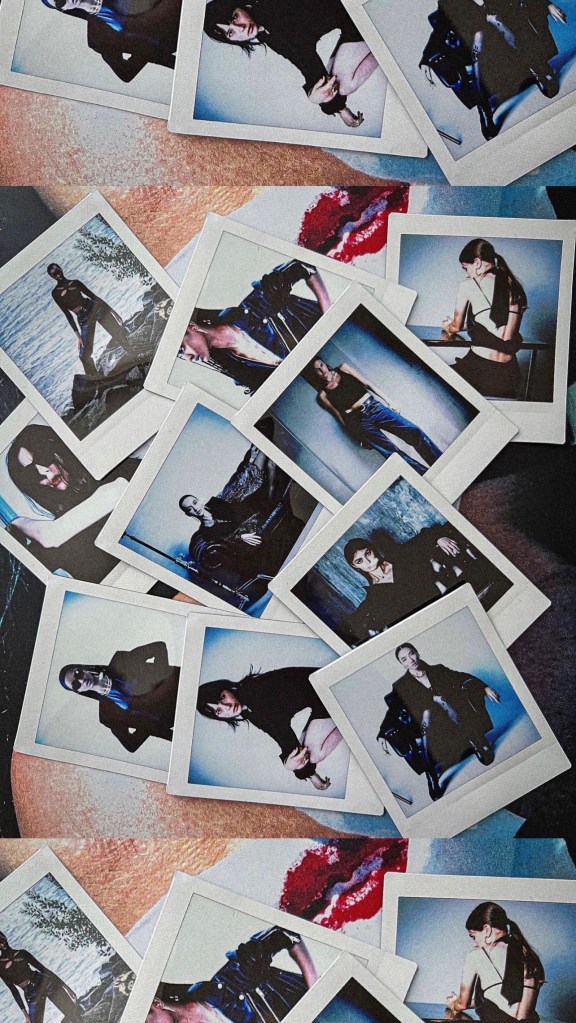
A collection of archive polaroid film:
Photographer: Ulysses Saniel
–
https://www.instagram.com/ulysses.s/
https://www.byulysses.com/
Photographer & Designer Ulysses Saniel
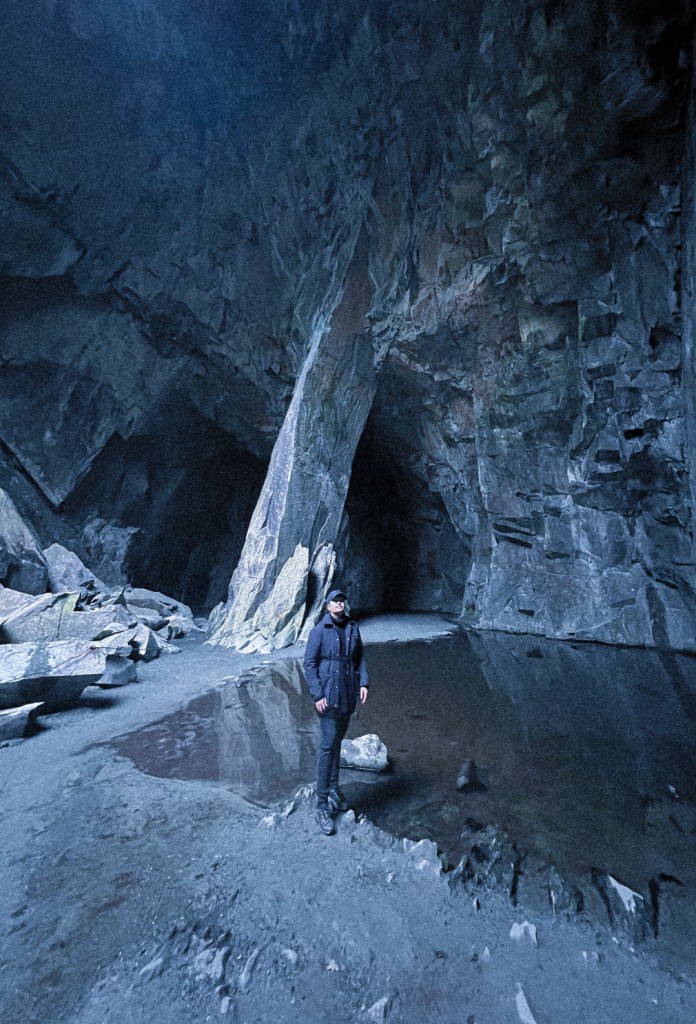
Photographer: Ulysses Saniel
Location: Lake District Cave, Cumbria 2022
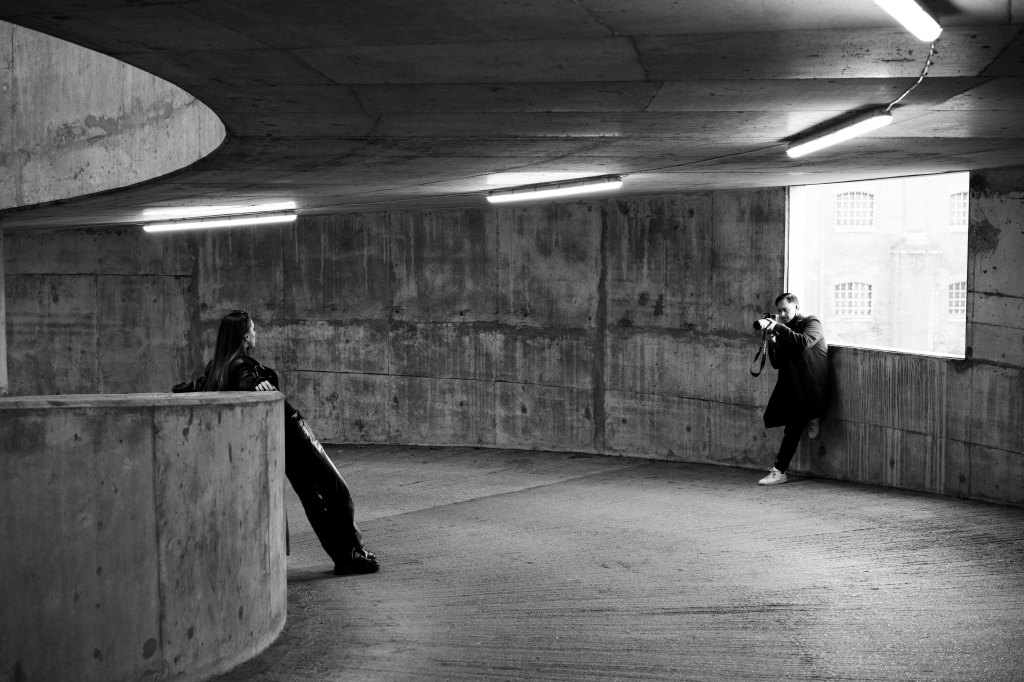
Photographer: Ulysses Saniel
Location: London, 2020
Photograph by Sebastian Garraway
Photography:
https://www.instagram.com/ulysses.s/
https://www.byulysses.com/
Ruxandra Porojnicu by Ulysses Saniel archives 2018.
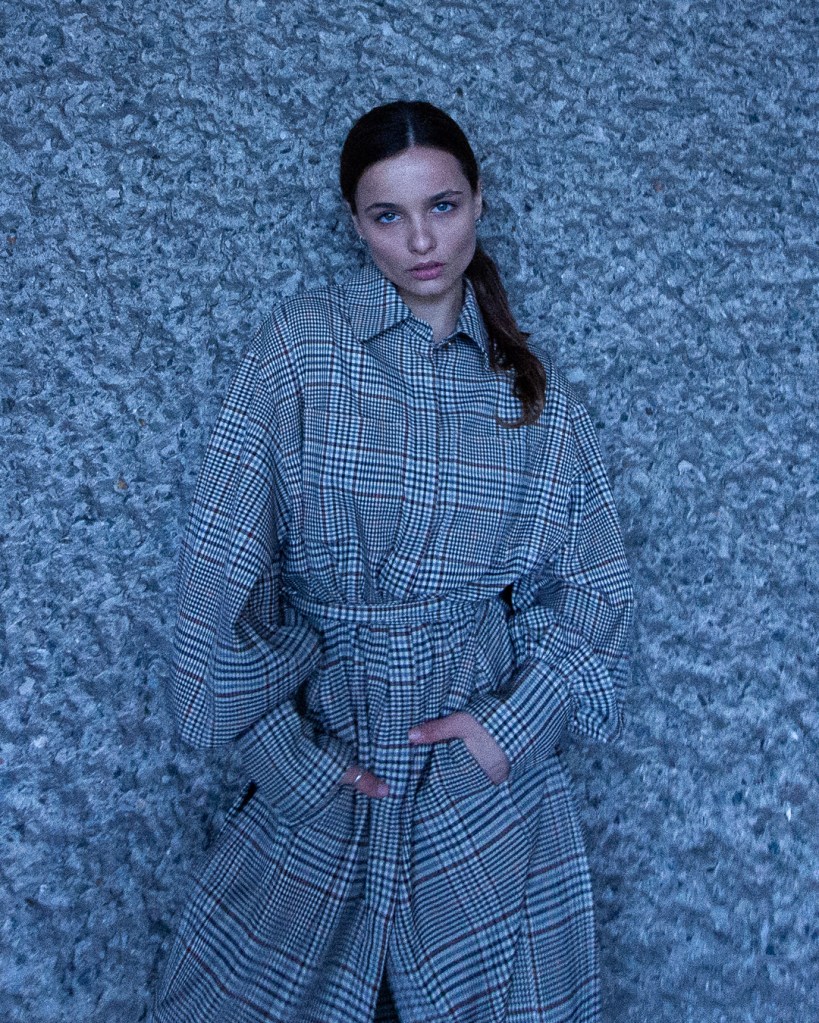
Photography and Creative Direction: Ulysses Saniel
Model: Ruxandra Porojnicu
Location: London
Con-create studio blues: Summer 23: Josefa shot by Ulysses John Saniel
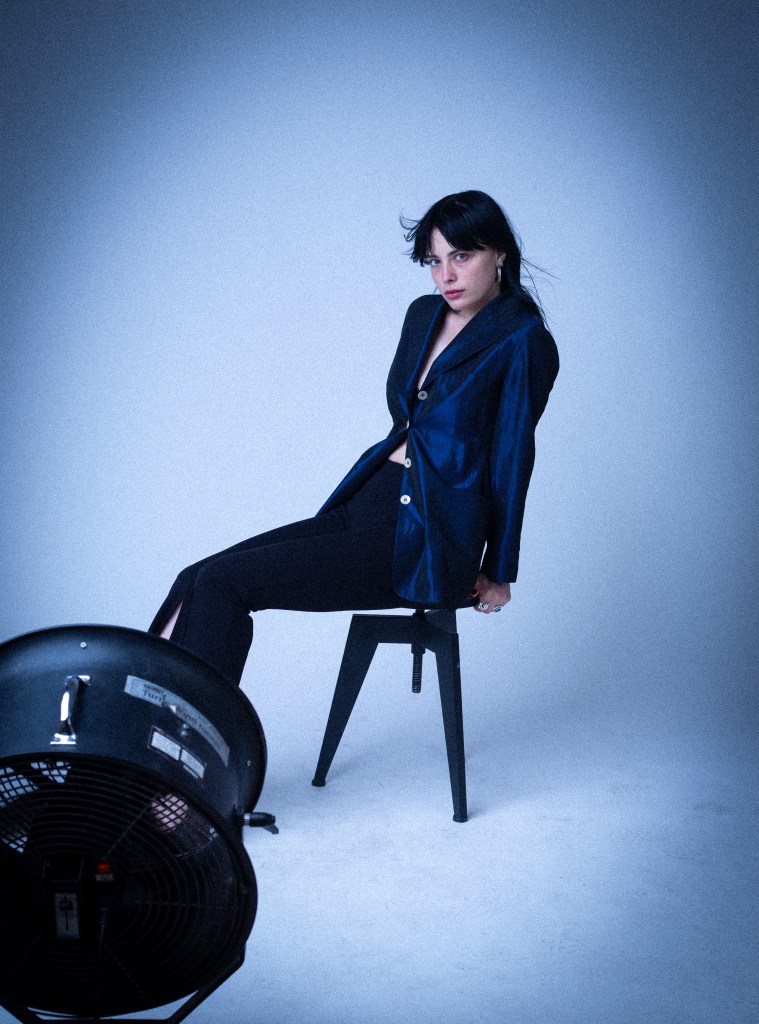

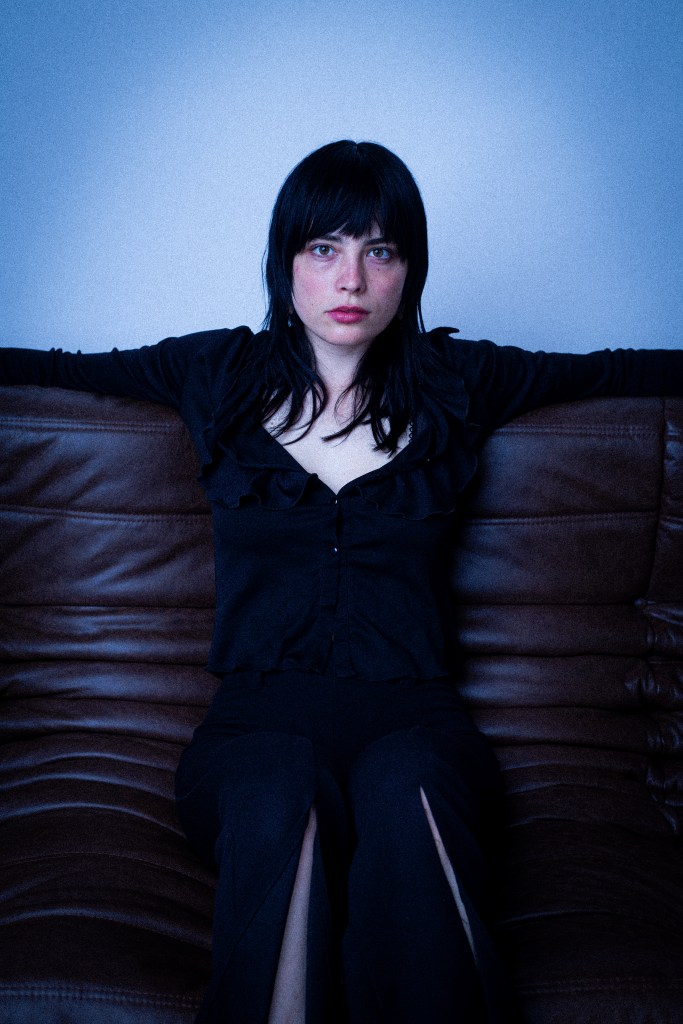
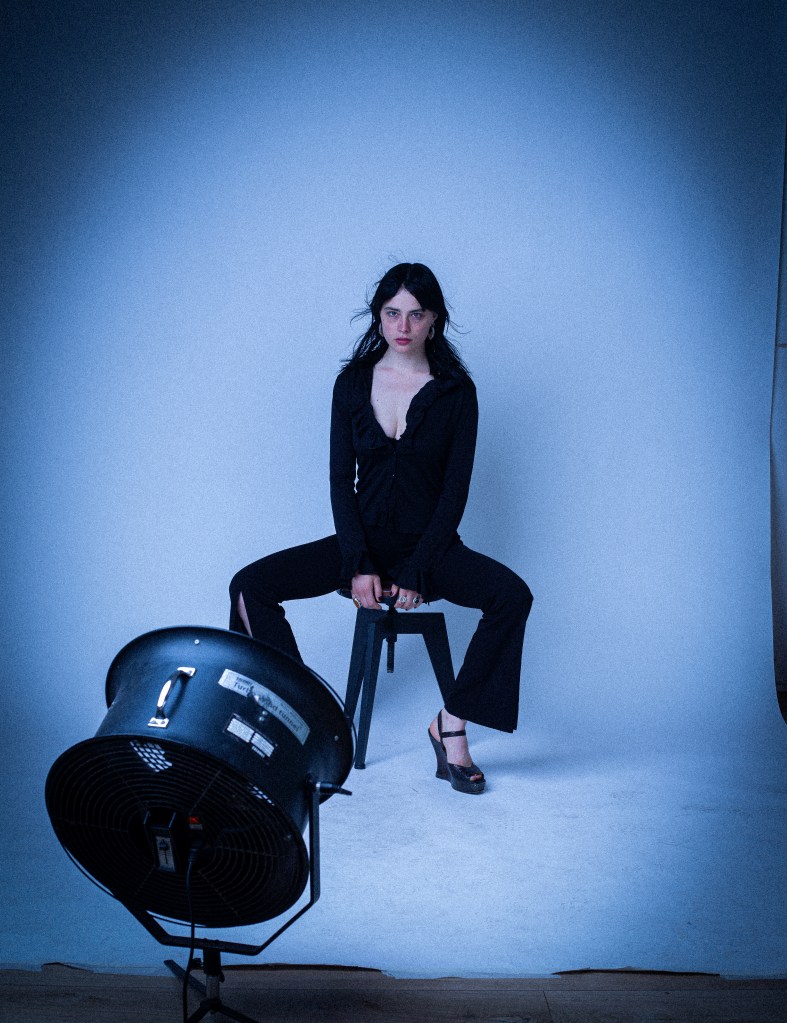
Photographer:
Ulysses John Saniel
Model:
Josefa from WOKE Model management/Viva Models Berlin
Lighting Asssistant:
Tracy
Creative Direction:
StudioCreatemore
–
Createmore:
–
Photography:
https://www.instagram.com/ulysses.s
https://www.byulysses.com/
–
Creative Direction:
https://www.studiocreatemore.com/
Skye for WOKE Management.
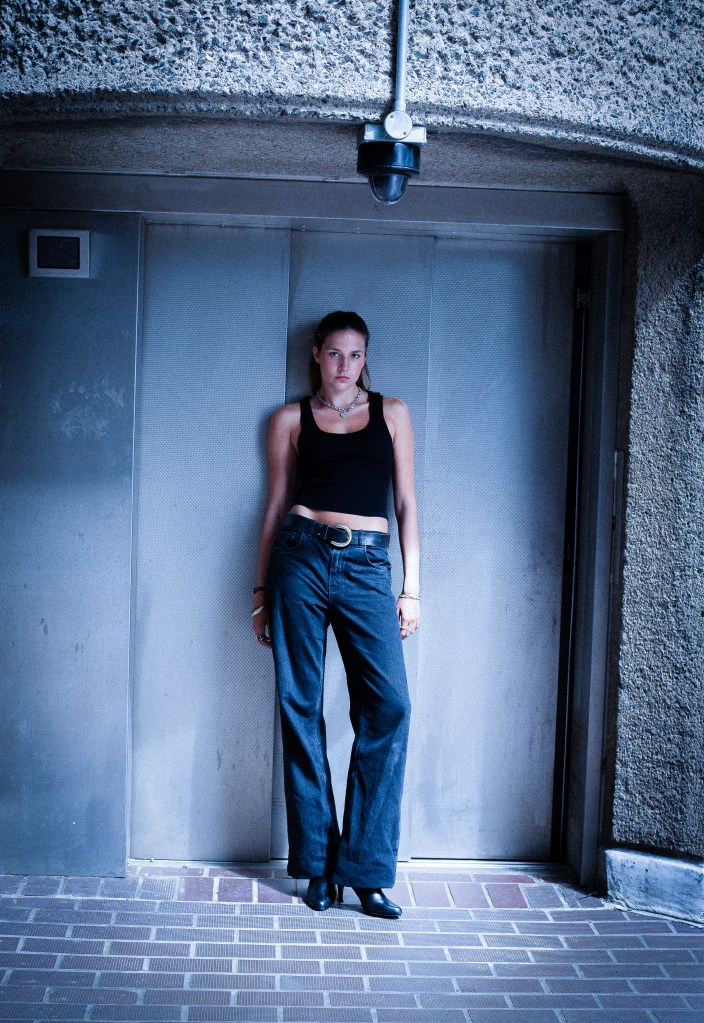
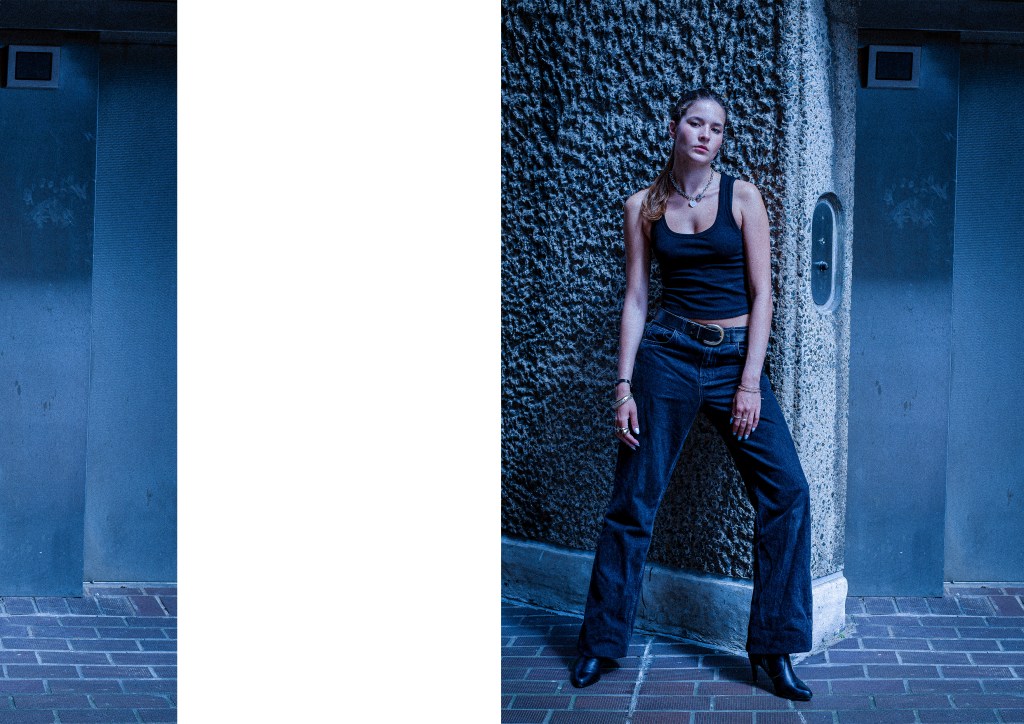
London editorial 2023.
Model : Skye
WOKE Management
Photography and Creative Direction
Ulysses John Saniel
https://www.byulysses.com/
Creative Direction:
StudioCreatemore.
https://www.studiocreatemore.com/
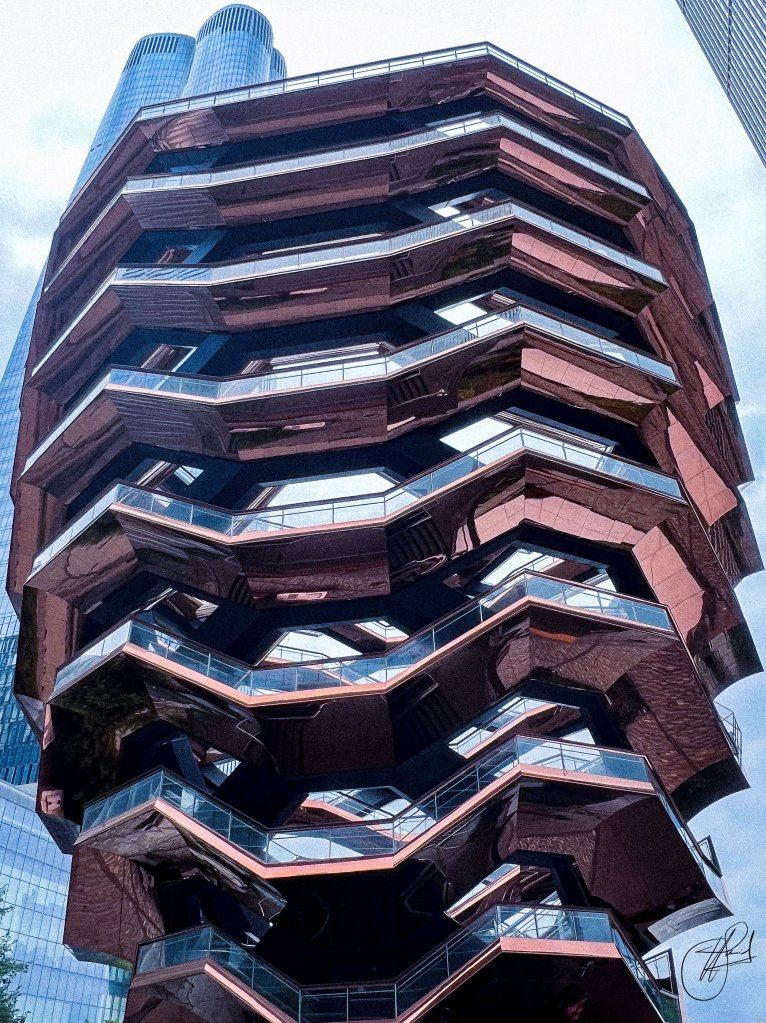
Thomas Heatherwick Vessel New York by Ulysses John Saniel
Thomas Heatherwick Vessel New York by Ulysses Saniel – ‘The only way is up’.
(Series 2.0)

Architecture Photography: Ulysses Saniel
Purchase Print: Store
http://www.byulysses.com
The Thomas Heatherwick Vessel is a unique architectural structure located in the Hudson Yards development on the west side of Manhattan, New York City. Designed by British architect Thomas Heatherwick, the Vessel is an interactive public art installation and a new icon for New York City.
The Vessel is made up of 154 flights of stairs, 80 landings, and 2,500 steps, all interwoven to create a web-like structure that is 16 stories tall. It has a total of 80 viewing platforms that offer breathtaking views of the city, the Hudson River, and the surrounding landscape.
The Vessel’s design was inspired by ancient Indian stepwells and the mathematical form of a Möbius strip, resulting in a mesmerizing visual effect. It is made of polished copper-colored steel, which reflects the changing light of the day, creating a dynamic and shimmering effect.
The Vessel is not just a sculpture, but also a public space that encourages interaction and exploration. Visitors can climb up and down the stairs, take photos, and enjoy the views from different levels. The Vessel is also a popular spot for yoga classes, picnics, and other events.
The Vessel was completed in 2019 and quickly became a popular attraction in New York City. However, it has faced criticism for its high cost and its perceived lack of accessibility for people with disabilities. In 2020, a young boy tragically died after jumping from the Vessel.
Despite these controversies, the Thomas Heatherwick Vessel remains a unique and striking addition to New York City’s skyline. Its intricate design and interactive nature have made it a popular destination for tourists and locals alike, and it continues to inspire and captivate visitors from around the world.
 RAW blog : Behind the scenes of Photographer/Creative Designer Ulysses Saniel